Claim Your Free Consultation and Quote Today
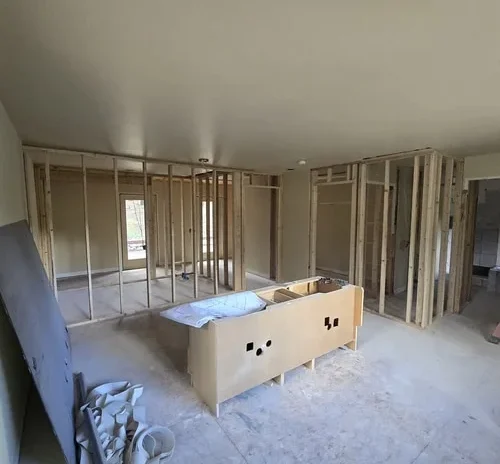
Mistake 1: Skipping License and Insurance Verification
One of the most dangerous shortcuts homeowners take is hiring a contractor without confirming proper licensing and insurance coverage. In Prescott and surrounding areas, this mistake has left countless property owners financially responsible for worksite injuries, substandard work, and incomplete projects. Arizona requires contractors performing work valued at more than $1,000 to hold a valid Registrar of Contractors (ROC) license, yet many homeowners never verify this basic credential.
The consequences extend beyond legal compliance. When a bathroom remodel in Chino Valley goes wrong because the hired contractor lacks proper bonding, the homeowner often discovers they have no recourse for recovery. Similarly, if an uninsured worker is injured while framing an addition to your home, your homeowner’s insurance may refuse the claim, leaving you exposed to medical costs and potential lawsuits. These scenarios happen more frequently than most people realize, especially during Prescott’s busy construction season from April through October when demand encourages some property owners to hire whoever is available.
Before signing any agreement, request the contractor’s ROC license number and verify it directly through the Arizona Registrar of Contractors website. Confirm the license is active, matches the type of work you need, and shows no history of serious complaints or suspensions. Additionally, ask for certificates of both general liability insurance and workers’ compensation coverage, then contact the insurance carriers directly to verify the policies are current and provide adequate coverage limits.
Our team maintains full licensing, bonding, and insurance for all services we provide across Prescott, Cottonwood, Sedona, and the Verde Valley. We provide documentation upfront and encourage clients to verify every credential independently. This transparency protects both our clients and our crews, ensuring every kitchen remodel, foundation repair, or fire damage restoration project meets Arizona’s regulatory standards and industry best practices.
Mistake 2: Choosing Based on Price Alone
Selecting a contractor solely because they submitted the lowest bid is a decision that frequently backfires during the project. In the Prescott area, where material costs fluctuate with seasonal demand and transportation challenges from suppliers in Phoenix, an unusually low estimate often signals corner-cutting, substandard materials, or a fundamental misunderstanding of the project scope. What appears as savings upfront typically transforms into cost overruns, delays, and poor workmanship that requires expensive corrections.
Consider a recent scenario in Prescott Valley where a homeowner accepted a deck construction bid significantly below three other quotes. The contractor used untreated lumber unsuitable for Arizona’s temperature swings and monsoon moisture, failed to obtain proper permits, and disappeared after receiving the deposit. The homeowner ultimately paid twice: first for the failed project, then for a qualified builder to demolish the substandard work and construct a proper deck that would pass inspection. Similarly, bargain-basement bathroom remodels often use discount fixtures that fail within months, require non-standard replacement parts, or void manufacturer warranties due to improper installation.
A better approach evaluates the complete picture. Request itemized estimates that break down labor, materials, permits, and contingencies. Compare how each contractor addresses potential challenges specific to your project and location. For example, foundation work in Cottonwood’s expansive clay soils requires different engineering and materials than similar work in Sedona’s rocky terrain. A qualified contractor accounts for these variables in their estimate and explains the reasoning behind material selections and timeline projections.
When we prepare estimates for home additions, structural repairs, or water damage restoration, we itemize every component and explain the quality standards behind our selections. Our pricing reflects proper permitting, quality materials suited to Arizona conditions, skilled labor, and realistic timelines. We have found that clients who choose value over lowest price experience fewer surprises, maintain better communication throughout the project, and achieve results that increase property value rather than create future problems.
Mistake 3: Ignoring References and Past Work
Failing to thoroughly investigate a contractor’s track record before hiring them is an oversight that often leads to regret. Past performance provides the clearest window into how a builder handles challenges, communicates with clients, manages timelines, and delivers on promises. Yet many homeowners in the Prescott region skip this step entirely, relying instead on a professional website or confident sales pitch. This blind trust has led to abandoned projects, shoddy workmanship, and disputes over everything from material selections to final payments.
The most revealing references come from projects similar to yours, completed within the past two years, and located in similar environments. If you are planning a kitchen remodel in Jerome’s historic district, speak with previous clients who hired the same contractor for period-appropriate renovations. Ask specific questions about how the contractor handled unexpected discoveries like outdated wiring or structural modifications required by building codes. For restoration work after fire or water damage, contact references who experienced similar emergencies and can describe the contractor’s responsiveness, insurance coordination, and quality of repairs.
When checking references, go beyond the list the contractor provides. Search online reviews across multiple platforms, check complaint histories with the Better Business Bureau and Arizona ROC, and ask neighbors or local building supply stores about their experiences with the contractor. In smaller communities like Dewey-Humboldt and Camp Verde, reputation matters significantly, and local suppliers often know which contractors pay bills promptly, treat workers fairly, and stand behind their work.
We encourage potential clients to speak with previous customers throughout Prescott, Sedona, and surrounding areas. Our portfolio includes bathroom remodels, home additions, foundation installations, mold remediation, and full-scale renovations across diverse property types and architectural styles. We can connect you with references who experienced projects similar to yours, and we welcome questions about how we handled specific challenges, managed timelines, and communicated throughout the process. Our reputation in these communities reflects thousands of hours of quality work, and we protect it by delivering consistent results on every project.
Mistake 4: Accepting Vague Contracts and Timelines
Signing a contract that lacks specific details about scope, materials, timelines, payment schedules, and change order procedures creates fertile ground for disputes and disappointment. Vague agreements protect contractors while leaving homeowners vulnerable to cost overruns, indefinite delays, and finished work that falls short of expectations. In Prescott’s market, where project timelines must account for monsoon season delays, winter temperature restrictions on certain materials, and the availability of specialized trades, a detailed contract is not optional; it is essential protection for your investment.
A properly detailed contract specifies every aspect of the work. For a bathroom remodel, this means listing exact fixture models, tile specifications, plumbing modifications, electrical upgrades, and finish materials by manufacturer and product line. It includes a realistic timeline with milestone dates for rough-in inspections, fixture installation, and final completion. The contract should address how weather delays will be handled, what constitutes acceptable reasons for timeline extensions, and how you will be notified of any changes. Payment schedules should tie to completion milestones rather than arbitrary calendar dates, protecting you from paying for work not yet performed.
Equally important are clear procedures for handling changes and unexpected conditions. When renovating older homes in Prescott’s historic neighborhoods, contractors frequently encounter outdated electrical systems, deteriorated framing, or plumbing that requires replacement. A good contract establishes how these discoveries will be communicated, priced, and approved before work proceeds. Without these provisions, you may face surprise charges or watch your project stall while disputes over additional costs remain unresolved.
Every contract we prepare includes detailed specifications, clear timelines with milestone markers, transparent payment schedules, and defined procedures for change orders and unforeseen conditions. For projects involving structural repairs, foundation work, or restoration services, we build in contingencies for common challenges while maintaining accountability for the baseline scope. Our clients know exactly what to expect, when to expect it, and how changes will be managed. This clarity prevents misunderstandings and keeps projects moving forward efficiently, even when unexpected conditions arise.
Mistake 5: Overlooking Communication and Availability
Poor communication and contractor unavailability rank among the top complaints in the construction industry, yet many homeowners fail to evaluate these factors before signing contracts. A contractor who is difficult to reach during the sales process will likely become even less accessible once work begins and problems arise. In markets like Prescott and Sedona, where contractors often juggle multiple projects across a wide service area, availability and responsive communication separate reliable builders from those who leave clients frustrated and projects languishing.
Assess communication patterns during initial consultations. Does the contractor respond promptly to calls and emails? Do they listen carefully to your goals and concerns, or do they rush through conversations focused only on closing the sale? When you ask technical questions about structural requirements, material options, or building codes, do they provide clear, patient explanations or vague generalities? These early interactions predict how communication will flow when you need updates on permit delays, want to discuss a material substitution, or discover a problem requiring immediate attention.
Availability matters equally. Contractors who spread themselves too thin across many simultaneous projects cannot provide adequate supervision, respond quickly to issues, or maintain consistent progress. Ask potential contractors how many active projects they currently manage, how often they or their project manager will be onsite, and how they handle scheduling conflicts when material deliveries are delayed or weather interrupts outdoor work. For time-sensitive projects like water damage restoration or emergency structural repairs, response time can mean the difference between contained damage and extensive secondary problems like mold growth or structural deterioration.
Our approach prioritizes consistent communication and appropriate availability throughout every project. Clients receive direct contact information and can expect responses within hours, not days. We limit concurrent projects to ensure adequate supervision and maintain progress across all active jobs. For restoration emergencies involving water extraction, fire damage, or mold remediation, we provide rapid response seven days a week. During planned renovations such as kitchen remodels, deck construction, or home additions, we schedule regular progress meetings and proactively communicate any changes to timelines or conditions. This level of engagement keeps projects on track and ensures clients always know the current status and next steps.